- Unsolicited sales visits claiming a neighborhood has seen an increase in break-ins
- High-pressure offers that demand immediate signatures or same-day payments
- Requests for account passwords, Wi-Fi credentials or remote device access before service begins
NEW YORK, Aug. 5, 2026 —
Homeowners Urged to Watch for Security Scams as Seasonal Demand Rises
→ Your Homes Connection — Contractor Marketplace — free, takes about 60 seconds.
As households prepare for winter travel, longer nights and holiday absences, consumer advocates are warning that scammers are using the home security category to target rushed buyers.
Fraudulent installers, fake remote-monitoring offers and misleading contract terms are becoming a growing concern for consumers comparing alarm systems, cameras and smart door locks.
The warning comes as more homeowners look to add or upgrade security devices before the colder months set in.
That seasonal demand can make it easier for bad actors to pressure consumers into signing contracts on the spot, granting unnecessary app access or paying for equipment that is never installed.
Common red flags include:
- Unsolicited sales visits claiming a neighborhood has seen an increase in break-ins
- High-pressure offers that demand immediate signatures or same-day payments
- Requests for account passwords, Wi-Fi credentials or remote device access before service begins
- Contracts that auto-renew or include cancellation terms that are difficult to understand
Industry observers say consumers should slow down before committing to any home security purchase, especially when the offer comes through a door-to-door pitch, an unexpected phone call or a social media ad with limited company details.
Buyers should independently confirm the provider, read the full agreement, and compare equipment, monitoring options and cancellation policies before making a decision.
→ See what you could be approved for — free, takes about 60 seconds.
Industry Analyst said consumers should treat any home security purchase like a long-term service contract, not a quick retail transaction. “The pressure tactic is part of the sales strategy,” the analyst said.
Experts also recommend checking whether a provider offers transparent support channels, clear warranties and documented procedures for returning equipment or ending service.
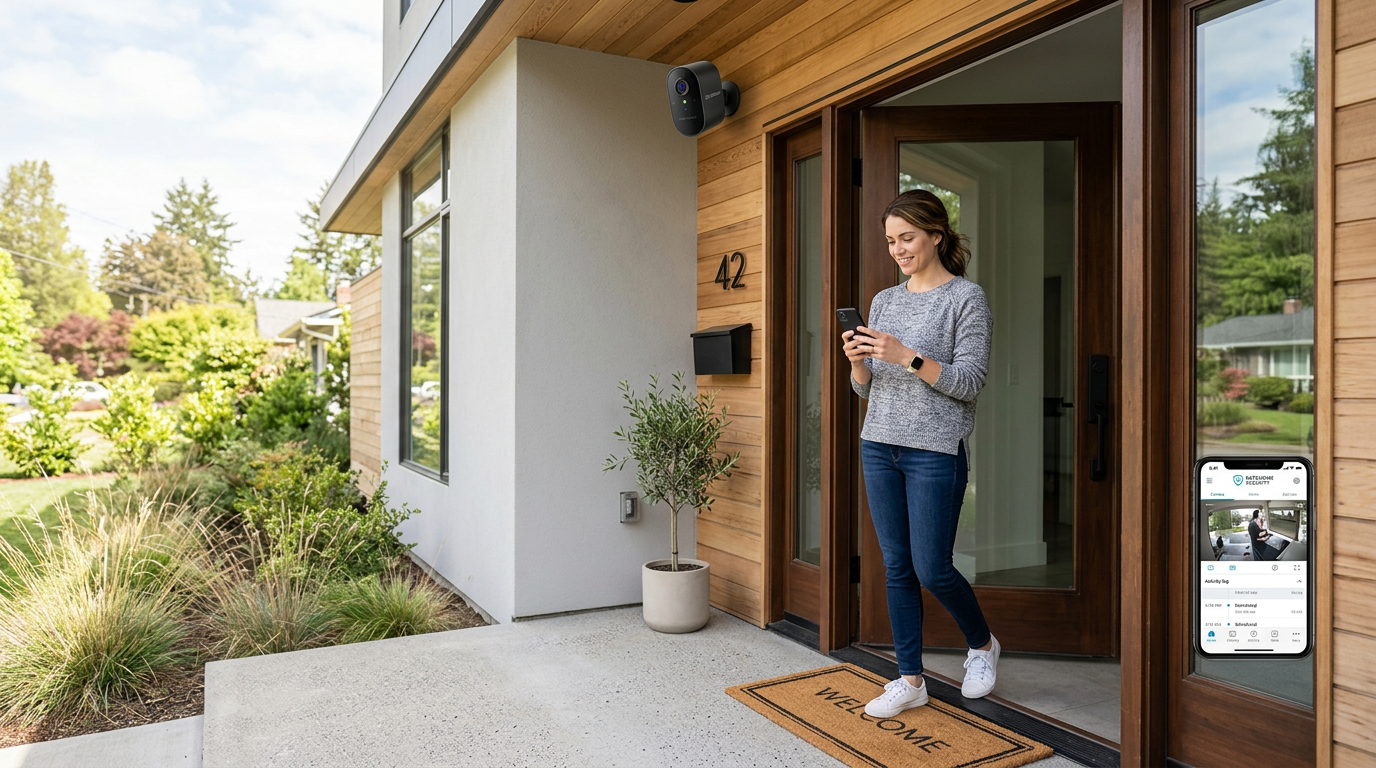
For consumers adding smart cameras, locks or video doorbells, it is also important to update default passwords, enable two-factor authentication and review privacy settings after installation.
In addition to scam prevention, the seasonal advisory extends to homeowners preparing for winter storms and holiday travel.
Power outages, internet interruptions and package theft can all affect how a home security system performs, making it important to test backup batteries, verify cellular backup options and confirm that alerts will still reach the right devices when connectivity is disrupted.
For consumers comparing home security providers, the best defense is a careful review of features, fees and support before any money changes hands. A slower, more deliberate decision can help households avoid costly mistakes while still improving protection at home.

No comments:
Post a Comment